



Table of Contents
Beneath a finished roof sits a collection of materials that work together like layers of protective clothing. Homeowners often focus on shingles because they are visible, yet several hidden components determine how well a roof performs during storms, heat, and years of weather exposure. Learning what goes into a roof replacement helps explain why every layer matters.
What Happens Beneath the Shingles After the Old Roof Is Removed?
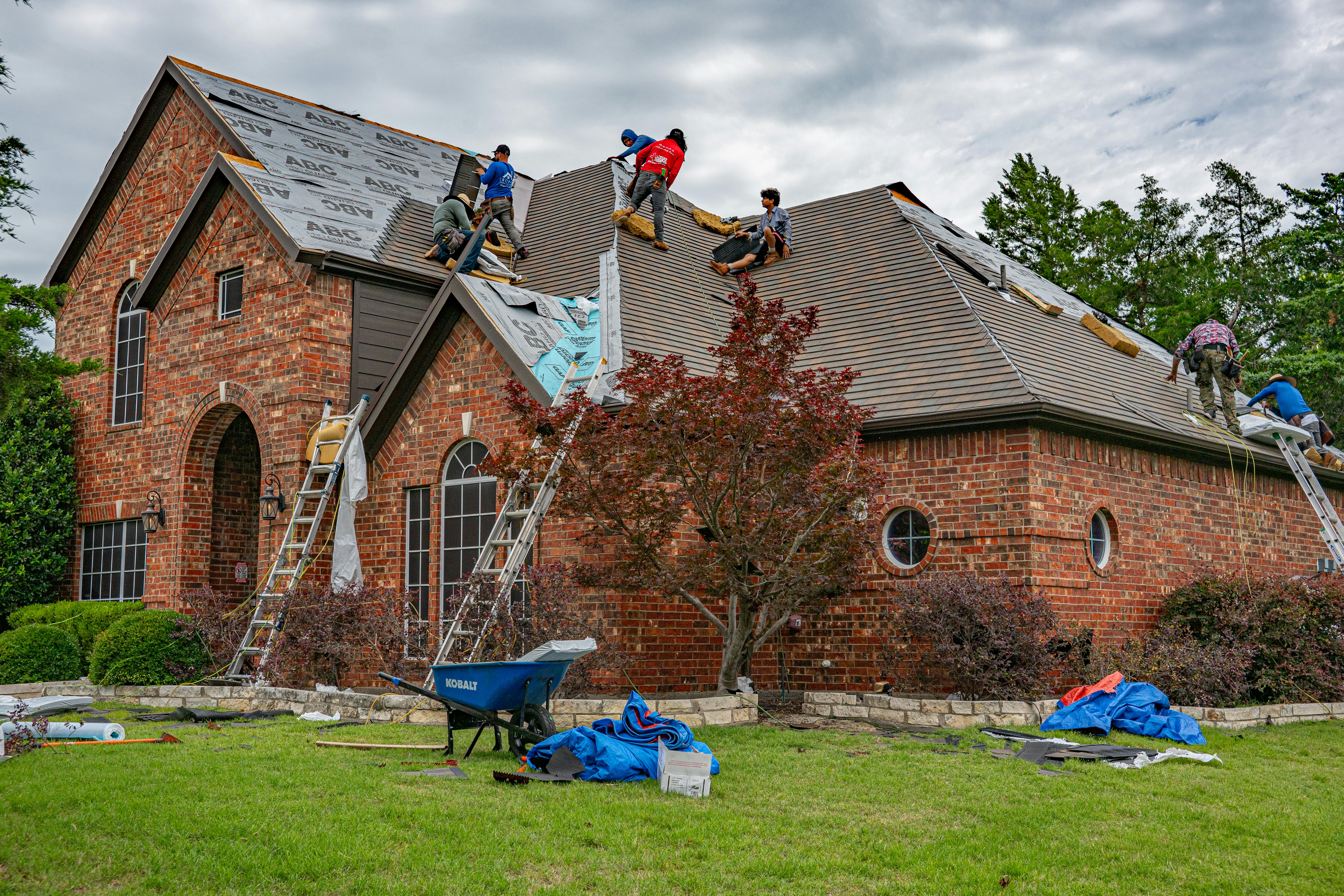
Removal of old roofing materials allows contractors to inspect the roof deck for hidden problems. Damaged wood, moisture stains, soft areas, and weakened fastener locations often become visible only after tear-off begins. Experienced Huntsville roofers examine these conditions because the deck serves as the structural foundation for the entire roofing system.
Repairs to the decking may occur before new materials are installed. Sound structural support allows shingles, underlayment, and fasteners to perform properly for many years. Many roof replacement projects reveal isolated wood damage that could not be detected from the ground.
Roof Decking Provides the Base That Supports Every Roofing Layer
Decking creates the solid surface that holds the roofing system together. Plywood and oriented strand board are common materials used in residential construction because they provide strength and consistent fastening surfaces. Huntsville roofing professionals carefully inspect the deck to ensure it can support the new roof.
Moisture damage can weaken these panels over time. Areas around leaks, valleys, and penetrations may require replacement before new materials are added. Proper deck conditions play a major role in the success of roof replacement in Huntsville AL.
Why Does Underlayment Matter When Homeowners Never See It?
Underlayment serves as a secondary moisture barrier beneath the visible roofing material. Synthetic products and traditional felt materials help protect the deck when wind-driven rain reaches beneath the shingles. Roofers in Huntsville AL often recommend upgraded underlayments because they offer improved resistance to tearing and moisture.
This hidden layer provides protection during severe weather events. Water that bypasses the shingles encounters another barrier before reaching the structure. Many roofing in Huntsville AL projects now use advanced underlayment materials to improve long-term performance.
Flashing Components Protect the Roof’s Most Vulnerable Areas
Chimneys, skylights, walls, and vent pipes create openings that require special protection. Metal flashing directs water away from these transition areas and prevents moisture from entering beneath the roof covering. Huntsville roof replacement projects frequently include complete flashing replacement.
Older flashing may contain corrosion, loose fasteners, or deteriorated sealants. Reusing these materials can shorten the life of the new roof. Proper flashing installation remains one of the most important elements of modern roof replacement.
Which Ventilation Parts Influence the Life of a New Roof?
Attic ventilation affects both roofing materials and indoor comfort. Intake vents and exhaust systems help remove excess heat and moisture from beneath the roof deck. Huntsville roofers often evaluate ventilation during replacement projects to improve airflow.
Several ventilation components commonly receive attention:
- Ridge vents
- Soffit vents
- Roof vents
- Attic exhaust systems
- Intake openings
- Vent baffles
Balanced airflow helps reduce heat buildup and moisture accumulation. Improved ventilation may also extend the lifespan of roofing materials.
Starter Materials and Edge Protection Prevent Early Roof Damage
Starter shingles and drip edges protect the roof perimeter against wind and water intrusion. These components secure the first row of shingles and direct rainwater away from the roof deck and fascia boards. Huntsville roofing specialists pay close attention to these areas because edge failures often develop first.
Strong winds place considerable pressure on roof edges during storms. Properly installed starter materials help prevent shingle uplift and water infiltration. Homeowners considering roof replacement in Huntsville AL benefit from understanding these hidden protective features.
Fasteners Hold the Entire Roofing System Together
Nails and fastening patterns affect how well roofing materials withstand weather conditions. Modern fasteners use corrosion-resistant coatings and specific placement methods to improve holding strength. Roofers in Huntsville AL follow manufacturer requirements to ensure proper attachment.
Incorrect fastening can lead to loose shingles, lifted materials, and premature failure. Wind resistance often depends on both the fastener type and installation pattern. Quality roof replacement work relies heavily on these small but essential components.
Complete Roofing Systems Depend on Every Layer Working Together
A roof performs best when all components function as a unified system rather than individual products. Fleming Roofing evaluates decking, underlayment, flashing, ventilation, fasteners, and surface materials during every Huntsville roof replacement project. For homeowners researching roofing near me, roofing in Huntsville AL, or roof replacement in Huntsville AL, Fleming Roofing provides guidance that helps explain how every layer contributes to long-term roof performance and home protection.
More Stories
How to Build a Smart Car Styling Plan in Paramus, New Jersey
Understanding Cause-in-Fact in a Bicycle Accident Injury Dispute
Eco-Friendly Adventure Tourism Ventures