


Table of Contents
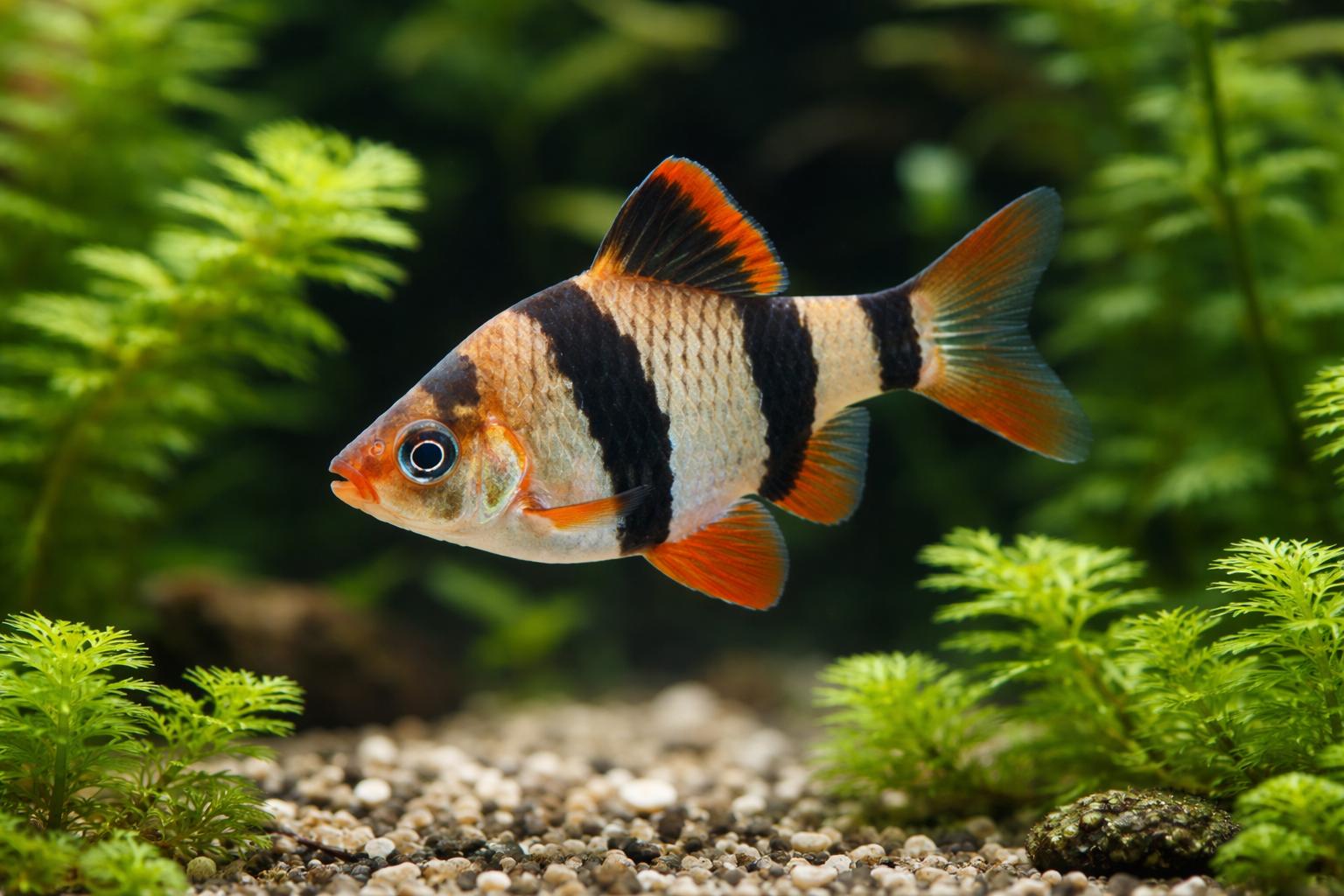
Small, colorful, and full of personality, the tiger barb is one of those aquarium fish that knows how to steal the spotlight. With its distinctive black stripes, golden-orange body, and energetic swimming style, this little freshwater fish brings plenty of life to any aquarium. Despite its relatively small size, it has a bold personality that makes it an interesting addition to ornamental fish collections.
For importers, wholesalers, and large-scale retailers, tiger barbs also offer something beyond their attractive appearance. Their recognizable patterns, active behavior, and popularity among aquarium enthusiasts make them an appealing species for best fish breeder in Indonesia.
But what exactly makes the tiger barb so fascinating? Let’s take a closer look at its characteristics, natural habitat, behavior, care requirements, and commercial potential.
Meet the Tiger Barb: A Small Fish with a Big Personality
The tiger barb (Puntigrus tetrazona), also commonly known as the Sumatra barb, is a tropical freshwater fish native to Southeast Asia. It naturally occurs in parts of Indonesia, particularly Sumatra and Borneo, where it inhabits rivers, streams, and smaller bodies of freshwater.
Typically growing to around 5–7 centimeters (2–2.8 inches) in length, tiger barbs are relatively small. However, their lively swimming patterns and striking appearance make them difficult to overlook.
Their bodies are usually golden-yellow to orange, decorated with four prominent black vertical stripes. These stripes resemble those of a tiger, which explains how the species got its popular name.
What Makes Their Appearance So Special?
Tiger barbs have several physical features that make them attractive to aquarium enthusiasts:
- Distinctive stripes: Four dark vertical bands create an instantly recognizable appearance.
- Golden body color: Their warm yellow-orange coloration adds contrast to aquarium decorations and aquatic plants.
- Orange fins: Some varieties display reddish or orange highlights around their fins.
- Compact body shape: Their slightly rounded bodies and streamlined profiles allow them to move quickly through the water.
Interestingly, selective breeding has introduced several attractive color variations, including albino, green, and long-fin tiger barbs. These varieties provide additional choices for retailers looking to offer something different from the traditional striped appearance.
Understanding the Tiger Barb’s Natural Habitat
To understand tiger barbs, it helps to look at where they come from.
In their natural environment, tiger barbs inhabit tropical freshwater systems with moderate water movement, vegetation, and plenty of hiding places. These environments provide access to food, shelter, and suitable conditions for their active lifestyle.
As tropical fish, they prefer relatively warm water temperatures, generally between 20°C and 26°C (68°F–79°F). They also thrive in slightly acidic to neutral water, although they can adapt to a reasonable range of water conditions.
Why Does Their Natural Habitat Matter?
Understanding their natural habitat is particularly important for exporters, importers, and aquarium retailers.
Fish that are maintained under suitable environmental conditions are generally better prepared for handling, transportation, and acclimation. Maintaining appropriate water quality, temperature, and oxygen levels throughout the supply chain is therefore essential.
For businesses sourcing ornamental fish internationally, working with an experienced supplier can make a significant difference in maintaining product quality from origin to destination.
Tiger Barb Behavior: Energetic, Social, and Sometimes Mischievous
If there is one thing tiger barbs are famous for, it is their energetic behavior.
These fish are naturally active swimmers and prefer living in groups. Watching a school of tiger barbs move around an aquarium can be quite entertaining, especially when they swim together and occasionally change direction almost simultaneously.
However, their playful appearance comes with a little attitude.
Why Should They Be Kept in Groups?
Tiger barbs are schooling fish, meaning they feel more comfortable and display more natural behavior when kept with several companions.
A group of at least six individuals is generally recommended. Keeping them in larger groups can help distribute their social interactions and reduce the likelihood of one fish repeatedly targeting another.
When kept in insufficient numbers, tiger barbs may become more aggressive toward other fish, particularly those with long, flowing fins.
Are Tiger Barbs Aggressive?
Tiger barbs are not necessarily aggressive toward everything around them, but they are known fin-nippers.
They may chase or nip slower-moving fish, especially species with long fins, such as bettas and some varieties of guppies.
For this reason, choosing suitable tankmates is important. Other active fish of similar size are often better companions.
Their energetic personality is part of their appeal, but understanding their behavior helps retailers provide better care recommendations to customers.
Why Tiger Barbs Are Attractive for the Ornamental Fish Trade
Beyond their biological characteristics, tiger barbs have several qualities that make them interesting for the ornamental fish industry.
First, their appearance is highly recognizable. Their contrasting stripes and warm body coloration make them visually appealing, even to people who are relatively new to aquarium keeping.
Second, they offer variety. Traditional tiger barbs, albino varieties, and green tiger barbs allow retailers to introduce different options within the same species category.
Third, their active schooling behavior makes them attractive display fish. A group swimming together creates movement and visual interest, making them particularly suitable for aquarium displays.
What Importers and Wholesalers Should Consider
For importers, wholesalers, and chain stores, sourcing decisions should go beyond appearance and availability.
Several factors deserve attention:
- Consistent quality: Fish should arrive in good condition and meet agreed quality standards.
- Professional handling: Proper packing and water-quality management are essential during transportation.
- Reliable logistics: Export coordination should minimize unnecessary delays and handling complications.
- Responsive communication: Suppliers should be available to address concerns and provide assistance when needed.
- Long-term consistency: Building a dependable supply relationship is more valuable than focusing only on individual transactions.
These considerations become especially important when ordering ornamental fish in commercial quantities.
Aquazone Indonesia: Your Trusted Partner for Tiger Barb Exports
Finding attractive tiger barbs is one thing. Finding a supplier who understands the demands of international ornamental fish trading is another.
At Aquazone Indonesia, we believe successful fish exports are built on more than simply delivering fish. They require proper communication, careful handling, dependable service, and a commitment to long-term business relationships.
We work with international buyers, importers, wholesale barb fish supplier Indonesia, and retail businesses to make ornamental fish sourcing more convenient and reliable.
Here is what makes working with Aquazone Indonesia different:
Personalized Consultation
Every market has different customer preferences and business requirements. Our team provides personalized consultation to help you select suitable fish for your target market, taking your product preferences and business needs into consideration.
All-in-One Export Management
International fish shipments involve paperwork, export documentation, coordination, and shipping arrangements. We handle the export management process from documentation to shipping coordination, allowing you to focus more on your business operations.
Professional Packing and Handling
Live fish transportation requires careful preparation. At Aquazone Indonesia, we prioritize professional packing and strict water-quality control to help ensure fish are properly prepared for international delivery.
Every shipment deserves attention because the condition of the fish upon arrival matters.
Post-Delivery Support
Our commitment does not end when the shipment arrives. If you encounter any issues, you can report them within 24 hours of delivery. We will review the situation and resolve eligible cases through our replacement policy.
We believe responsive after-sales support is an important part of building buyer confidence.
Long-Term Partnership Commitment
We are interested in building lasting business relationships, not simply completing one-time transactions.
Our approach focuses on trust, consistent quality, transparent communication, and continuous support. Whether you are an importer expanding your product range or a wholesaler looking for a dependable ornamental fish supplier, we aim to grow alongside your business.
Final Thoughts: Small Fish, Big Opportunities
The tiger barb may be small, but its distinctive appearance, energetic personality, and adaptability have made it an interesting species in the ornamental aquarium world.
From its iconic black stripes to its fascinating schooling behavior, this fish offers plenty of reasons for aquarium enthusiasts to appreciate it. For importers, wholesalers, and large retailers, its recognizable appearance and available color variations also make it a worthwhile species to consider.
Of course, successful ornamental fish trading depends on more than choosing the right species. Reliable sourcing, professional handling, organized export management, and responsive after-sales support all play important roles.
At Aquazone Indonesia, we understand these requirements and are committed to helping international buyers source ornamental fish with greater confidence.
More Stories
How to Build a Smart Car Styling Plan in Paramus, New Jersey
Understanding Cause-in-Fact in a Bicycle Accident Injury Dispute
Eco-Friendly Adventure Tourism Ventures