


Table of Contents
Among the many species of ornamental snakeheads available in today’s global aquarium market, Blue Pulchra (Channa pulchra) has established itself as one of the most attractive and commercially valuable species. Unlike giant snakeheads that require enormous aquariums, Blue Pulchra combines manageable adult size with exceptional coloration, making it appealing to hobbyists ranging from experienced collectors to premium aquarium enthusiasts.
Its metallic blue fins, dark body patterns, and confident swimming style give it an appearance that immediately captures attention. As international demand for rare freshwater ornamental fish exporter continues to expand, Blue Pulchra has become increasingly popular among importers and wholesalers looking for premium species that can command higher retail prices.
Recent export records also show continuing international shipments of Channa pulchra from Indonesia to countries including Japan, the United Kingdom, and several other ornamental fish markets, highlighting the species’ sustained commercial demand.
Why Blue Pulchra Is an Excellent Choice for Importers
The ornamental fish market has gradually shifted toward premium and uncommon species that offer higher profit margins than mass-produced aquarium fish. Blue Pulchra fits this market exceptionally well.
Collectors are often willing to pay premium prices for healthy specimens with strong coloration. Unlike species that become widely available and lose exclusivity, Blue Pulchra continues to attract enthusiasts seeking unusual freshwater predators.
Importers also appreciate several practical advantages:
- Consistent demand among experienced hobbyists
- Good survival rates when transported correctly
- Moderate adult size lowers shipping complexity
- Premium retail pricing
- Strong visual appeal for showroom displays
When purchased from experienced breeders and exporters, Blue Pulchra can become a valuable addition to an importer’s freshwater portfolio.
Businesses seeking reliable sourcing often work with an experienced ornamental fish exporter that specializes in quarantine procedures, international documentation, and export-quality packing standards.
What Is Blue Pulchra?
Scientific Classification
Blue Pulchra belongs to the genus Channa, commonly known as snakeheads because of their elongated bodies and snake-like heads. The species is scientifically named Channa pulchra, with “pulchra” originating from Latin, meaning beautiful—a fitting description considering its remarkable coloration.
Unlike many freshwater predators, Blue Pulchra balances beauty with practicality. It remains considerably smaller than famous giants like Channa micropeltes, allowing hobbyists to keep it comfortably in medium to large aquariums.
Native Habitat
Blue Pulchra originates from Myanmar, where it inhabits rivers, slow-moving streams, and floodplain environments. Like many members of the Channa family, it is an air-breathing fish capable of surviving in oxygen-poor environments by periodically gulping atmospheric air.
Its natural habitat experiences seasonal fluctuations in temperature and water levels. These environmental changes contribute to the species’ adaptability, making captive breeding and aquarium keeping relatively successful when proper conditions are provided.
Today, many of the Blue Pulchra available in international trade are captive-bred in Indonesia by experienced ornamental fish farms specializing in export-quality freshwater species.
Why Blue Pulchra Is Becoming Increasingly Popular
Stunning Appearance
First impressions matter in the ornamental fish industry, and Blue Pulchra excels in this regard.
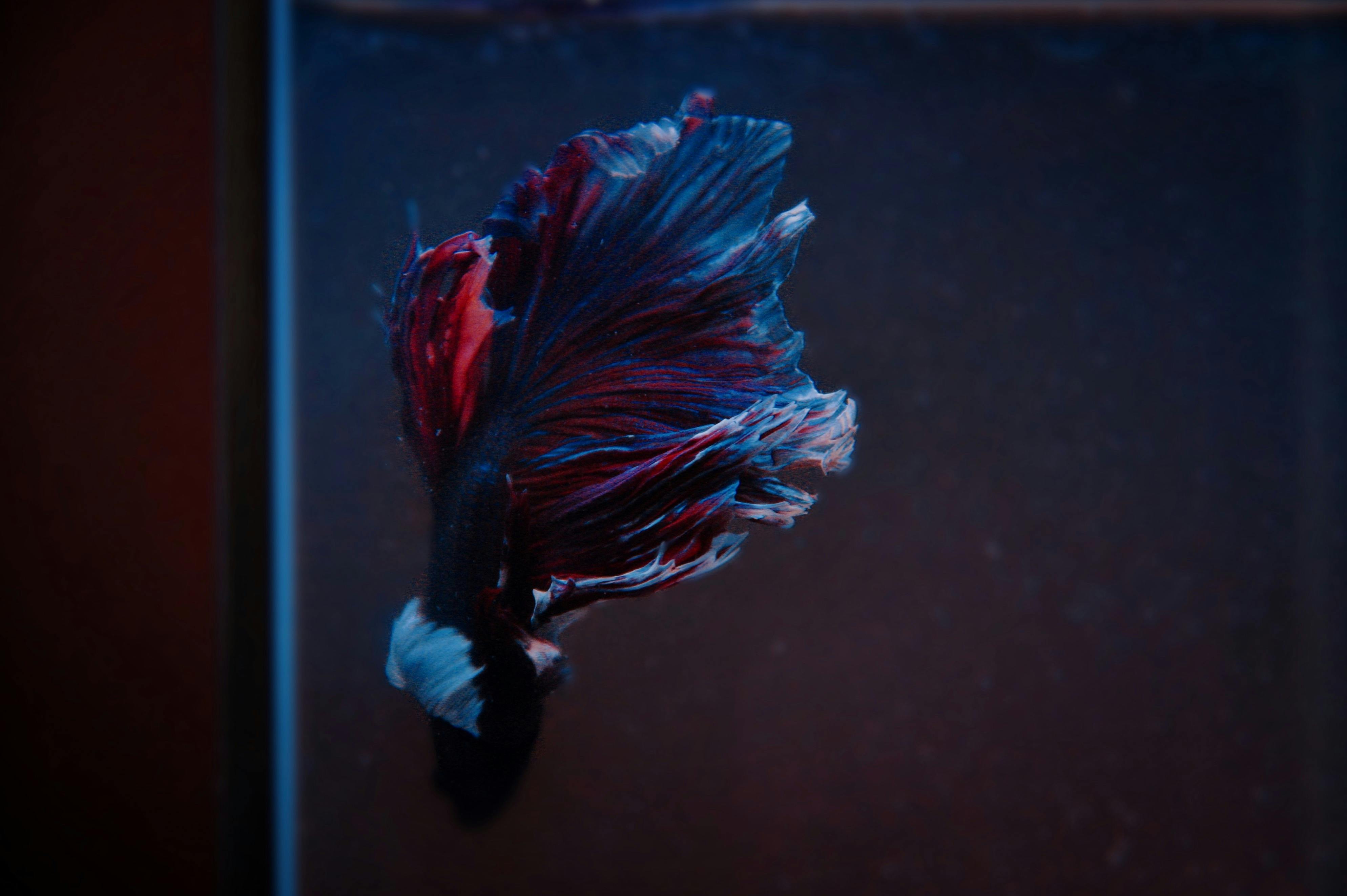
Juveniles already display attractive patterns, but mature specimens develop spectacular metallic blue coloration across their fins and body. Under high-quality aquarium lighting, these blue pigments become even more vibrant, creating an almost electric appearance that few freshwater predators can match.
Collectors often describe Blue Pulchra as one of the most photogenic snakehead species available today. Unlike brightly colored fish that lose their appearance with age, mature Blue Pulchra typically become even more visually impressive when maintained under excellent water conditions and a balanced diet.
This visual appeal makes them ideal for premium aquarium displays, showroom tanks, and specialty fish retailers targeting high-end customers.
Strong International Demand
Global interest in ornamental freshwater predators has steadily increased over the past decade. Snakeheads, once considered a niche category, now occupy an important segment within the exotic aquarium hobby.
Importers appreciate Blue Pulchra because it offers several commercial advantages:
| Feature | Commercial Benefit |
| Attractive coloration | Higher retail value |
| Moderate adult size | Easier shipping and housing |
| Hardy species | Better survival during transport |
| Premium rarity | Appeals to collectors |
| Captive breeding availability | More consistent supply |
Export data indicates regular international shipments from Indonesia to destinations such as Japan, the United Kingdom, Singapore, and other ornamental fish markets, reflecting sustained demand among wholesalers and specialty retailers.
Physical Characteristics
Body Shape
Blue Pulchra possesses the classic elongated snakehead profile but with noticeably elegant proportions. Its streamlined body allows efficient swimming while maintaining a muscular appearance suitable for an ambush predator.
The dorsal and anal fins extend almost the entire length of the body, creating graceful movement as the fish glides through the aquarium. Unlike fast-swimming schooling fish, Blue Pulchra moves deliberately, giving it a calm yet commanding presence.
Its head features large eyes and a broad mouth designed for capturing prey. Despite its predatory nature, it rarely appears aggressive without reason, making it fascinating to observe.
Color Development
One of the defining characteristics of Blue Pulchra is its dramatic color transformation as it matures.
Young fish often display muted gray or brown tones with subtle blue highlights. Over time, especially under optimal care, vivid metallic blue pigmentation develops across the fins and body.
Several factors influence color intensity:
- Water quality
- Nutrition
- Genetics
- Stress levels
- Lighting
Experienced breeders often report that stable water conditions and high-protein diets contribute significantly to brighter coloration. Hobbyists also note that dark aquarium backgrounds enhance the fish’s natural blue hues by increasing visual contrast.
Adult Size
Blue Pulchra reaches an adult length of approximately 30 cm (12 inches) under proper care, although many captive specimens remain slightly smaller depending on aquarium size and feeding practices. This moderate size makes it significantly more manageable than larger snakehead species while still providing the impressive presence that collectors seek.
Behavior and Personality
Territorial Nature
Like most snakeheads, Blue Pulchra is naturally territorial. Juveniles may coexist temporarily, but mature individuals generally prefer having their own space.
This territorial instinct is not necessarily excessive aggression. Instead, it reflects natural behavior developed through evolution. In the wild, defending territory ensures access to food, shelter, and breeding opportunities.
For retailers and importers, understanding this behavior helps reduce stress during holding and display by avoiding overcrowding.
Intelligence
Perhaps the most fascinating characteristic of Blue Pulchra is its intelligence.
Many keepers report that these fish quickly recognize their owners and learn feeding routines. Some individuals even swim toward the aquarium glass whenever familiar people approach.
This level of interaction creates a stronger emotional connection between hobbyists and their fish compared to many passive aquarium species. As a result, Blue Pulchra is often marketed not merely as an ornamental fish but as an engaging aquatic companion.
Aquarium Requirements
Tank Size
Although Blue Pulchra (Channa pulchra) is smaller than several other snakehead species, it still requires a spacious aquarium to thrive. A single adult should ideally be housed in a tank measuring at least 120 × 45 × 45 cm (approximately 75–90 gallons). Larger aquariums provide greater swimming space, help maintain stable water conditions, and reduce stress-related behaviors.
Since Blue Pulchra is a curious predator, it actively explores its surroundings rather than remaining stationary. A cramped aquarium can limit natural movement and negatively affect overall health. Hobbyists often notice that fish kept in larger tanks display brighter colors, stronger appetites, and more confident behavior.
Another important consideration is security. Like many snakeheads, Blue Pulchra is an excellent jumper. Even experienced aquarists have lost valuable specimens because of small gaps around filter pipes or feeding openings. A tightly fitting lid is therefore essential. While good filtration is important, it should not create excessive current because the species naturally inhabits slow-moving waters.
Water Parameters
Maintaining stable water conditions is more important than constantly chasing perfect numbers. Blue Pulchra adapts well to a range of conditions provided sudden fluctuations are avoided.
The following parameters generally produce excellent long-term results:
| Parameter | Recommended Range |
| Temperature | 22–27°C (72–81°F) |
| pH | 6.5–7.5 |
| Hardness | Soft to moderately hard |
| Ammonia | 0 ppm |
| Nitrite | 0 ppm |
| Nitrate | Below 20 ppm |
Routine water changes of 20–30% each week help maintain water quality while reducing dissolved waste. Stable conditions also contribute to stronger immune systems and improved coloration.
For commercial importers and wholesalers, maintaining these parameters throughout holding facilities minimizes stress before shipment. Fish that remain healthy during conditioning generally tolerate transportation better, reducing mortality and improving customer satisfaction.
Aquascaping
Blue Pulchra appreciates an environment that resembles its natural habitat. While elaborate aquascaping is not mandatory, providing structure allows the fish to establish territories and feel secure.
Natural driftwood, smooth rocks, sturdy aquatic plants, and shaded areas create an attractive display while reducing stress. Floating plants can also soften lighting, encouraging the fish to display richer colors.
Open swimming areas should remain available in the center of the aquarium. This combination of shelter and open space allows Blue Pulchra to exhibit its natural hunting and exploration behaviors. For display tanks in retail stores, this layout not only benefits the fish but also provides customers with an unobstructed view of its impressive appearance.
Choosing a Reliable Supplier
Finding the right supplier extends beyond simply comparing prices. A reputable exporter demonstrates consistent quality, transparent communication, and proper animal welfare practices.
Important factors to evaluate include:
| Factor | Why It Matters |
| Health inspection | Reduces disease risk |
| Export experience | Minimizes shipping issues |
| Professional packing | Improves survival during transport |
| Species identification | Prevents ordering mistakes |
| Consistent supply | Supports long-term business growth |
Importers should request recent photos, videos, packing procedures, and health documentation whenever possible. Strong relationships with reliable suppliers often result in more stable inventory and better long-term profitability.
If you’re expanding your inventory beyond Blue Pulchra, exploring a trusted supplier offering a wide selection of freshwater fish for sale can simplify procurement while maintaining consistent quality across multiple species.
Conclusion
Blue Pulchra is far more than another beautiful snakehead. It combines impressive coloration, manageable size, hardy adaptability, and interactive behavior into a species that appeals to both dedicated hobbyists and commercial buyers.
For importers and wholesalers, the fish represents an opportunity to supply a premium market segment that values rarity, quality, and visual impact. Choosing experienced breeders and reputable exporters helps ensure healthy specimens, smoother logistics, and stronger customer satisfaction.
Whether displayed as the centerpiece of a private aquarium or featured in a specialty retail showroom, Blue Pulchra consistently demonstrates why it has become one of today’s most admired freshwater ornamental predators.
More Stories
How to Build a Smart Car Styling Plan in Paramus, New Jersey
Understanding Cause-in-Fact in a Bicycle Accident Injury Dispute
Eco-Friendly Adventure Tourism Ventures